



The Seductions of Elephants
Comprised of works hand-picked by members of the Vidéographe team, video of the month explores Vidéographe's vast collection and offers insight into the team behind the centre. New month, new video.
Joseph Rozenkopf graduated from the University of Montreal with a bachelor’s degree in sociology and from UQAM with a certificate in museology and art diffusion. At the crossroads of these two disciplines was born an interest in the operations of cultural institutions in Quebec and questions about their practices. It is with the discovery of artist-run centers and Vidéographe that he was able to begin his career within these institutions.
Synopsis
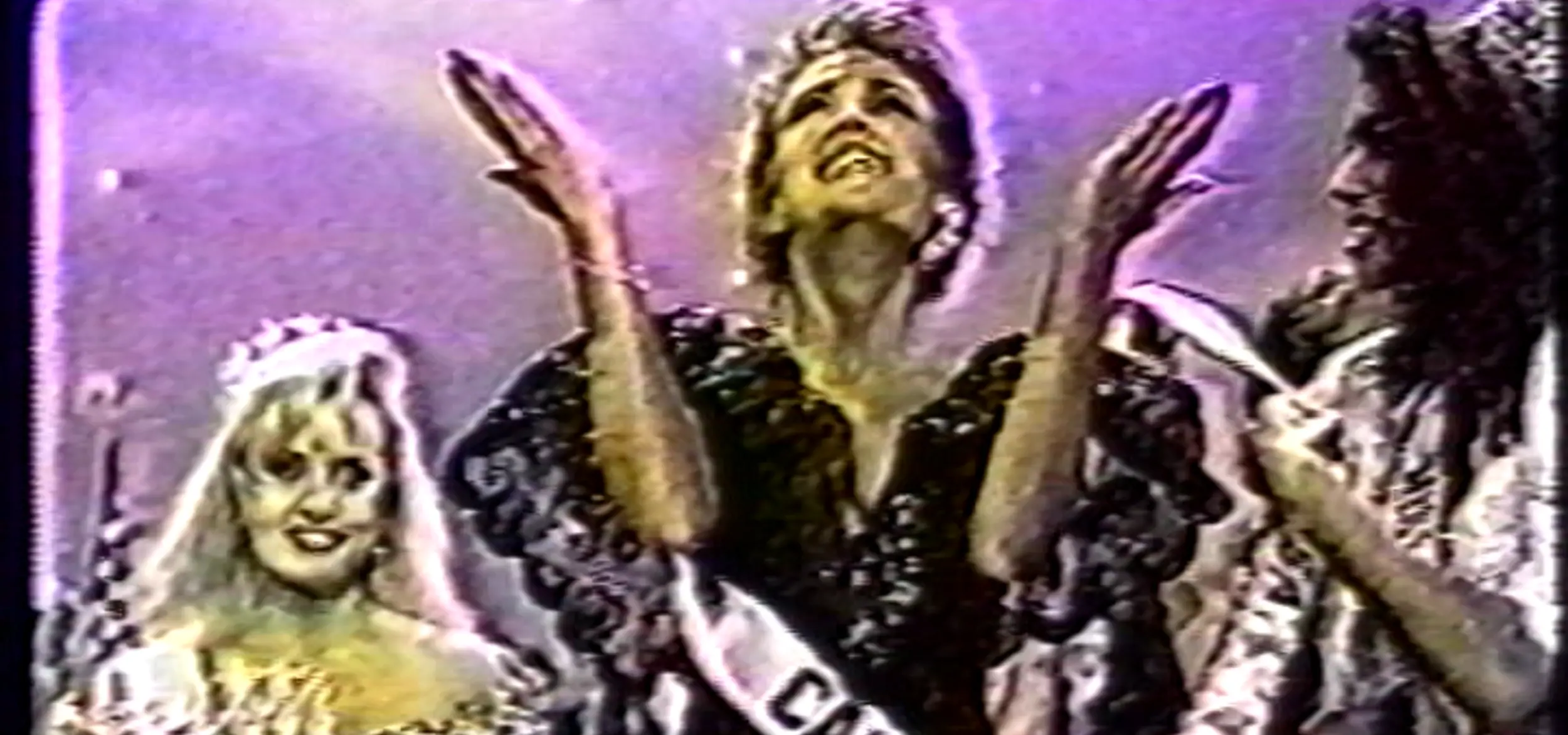
The Seduction of Elephants prompts reflection not only on the contributions made by new technologies, but also on losses engendered by them. Here are the two equally consequent and important aspects of our new technological era.
A word from the team
“Never is information more crucial to democracy than at times like these.”
Should we be concerned about our television crisis, or about the future of our attention, more threatened than ever? At a moment when Québec television is on high alert and must, supposedly, be saved at all costs by our governments, looking back to the golden age of this industry is a fascinating exercise. Lee Schnaiberg’s work is precocious and full of humour, weaving collaged television images that form a reflection on the longstanding offensives to capture our attention. From TV sets to smartphones, this conversation is more relevant than ever.
This student film from the early 1990s takes up a host of subjects still crucial today: the cult of the image, the capture of our attention, and even fears around the development of Artificial Intelligence. Meanwhile, it honours the same central conviction on the importance of information, set against ceaseless entertainment. I don’t know whether the director could have predicted such a turn—a world in which information is more privatized than ever, with television held up as a cultural wonder to be defended, and where AIs threaten the cultural world more than anyone could have foreseen.
So yes, even now, we must be wary of screens and of the companies waging war on one another for our attention. The screen has grown smaller, following us everywhere, insidiously part of daily life. And the idea of lauding TV shows might now seem harmless, almost endearing. Yet nearly thirty-five years on, these still relevant images remind us that we must keep being exacting with the images we consume, because they are never trivial and because our attention is limited and precious. This film is worth seeing today, and the reflection it prompts must go on within us.
Joseph Rozenkopf
Executive Assistant


